 By
By Transporting fluids efficiently is a crucial part of many manufacturing and production processes. Whether handling water, chemicals, food products, or viscous substances, the right pumping system ensures smooth operations, reduces downtime, and protects product quality. However, selecting the wrong transport pumps can lead to frequent maintenance issues, inefficiency, and increased costs.
Understanding the most common mistakes companies make when choosing pumps helps manufacturers make informed decisions and avoid costly errors. This article explores these pitfalls, explains how to avoid them, and provides guidance on selecting pumps suited to your operational needs, including specialized solutions such as chocolate transfer pumps.
Overlooking the Fluid Type and Properties
One of the most frequent mistakes is failing to consider the specific properties of the fluid being moved. Not all pumps are suitable for every type of fluid. Viscosity, temperature, abrasiveness, and chemical composition significantly affect pump performance.
For example, chocolate transfer pumps require equipment that can handle viscous, temperature-sensitive liquids without altering texture or flavor. Similarly, corrosive or abrasive fluids need pumps constructed from compatible materials to prevent premature wear.
Neglecting these factors can result in reduced efficiency, frequent repairs, and even contamination. Always analyze the fluid characteristics before selecting a pump.
Ignoring Flow Rate and Pressure Requirements
Another common oversight is not accurately assessing the required flow rate and pressure. A pump that cannot deliver the necessary flow or maintain the correct pressure will underperform, potentially slowing production or causing system failures.
Transport pumps are available in a variety of capacities and pressure ratings. Choosing the correct specifications ensures the system operates smoothly and efficiently. Manufacturers should calculate peak and average flow requirements and understand the pressure demands of their piping network to select a pump that meets operational needs.
Selecting a Pump Based Solely on Price
Cost is an important factor, but choosing a pump based solely on price can be a critical mistake. Low-cost pumps may initially seem attractive, but they often lack durability, efficiency, and adaptability.
Investing in high-quality transport pumps can reduce long-term maintenance costs, minimize downtime, and provide consistent performance. Specialized pumps, such as chocolate transfer pumps, may have a higher initial cost, but their ability to handle delicate products safely makes them a worthwhile investment.
Neglecting Material Compatibility
Material compatibility is essential when dealing with specific fluids. Pumps constructed from inappropriate materials can corrode, erode, or react with the fluid being transferred. This not only shortens the pump’s lifespan but can also compromise product safety, particularly in food and pharmaceutical applications.
For chocolate transfer pumps, stainless steel or food-grade materials are typically preferred to ensure hygiene and prevent contamination. Always match pump construction materials to the properties of the fluid to ensure durability and safety.
Underestimating Maintenance Needs
Maintenance requirements are often overlooked during the selection process. Some pumps require more frequent servicing than others, which can impact operational efficiency if not planned for.
Choosing transport pumps that are easy to maintain, with accessible components and clear maintenance guidelines, reduces downtime and extends equipment life. Considering maintenance needs during the selection process can save both time and money in the long term.
Overlooking Energy Efficiency
Energy consumption is a growing concern for manufacturers. Pumps that are not energy efficient can significantly increase operational costs over time.
Modern transport pumps are designed to operate efficiently, minimizing wasted energy while maintaining performance. Selecting pumps that align with your facility’s energy goals reduces operating costs and contributes to sustainability efforts.
Failing to Consider Pump Installation and Space Requirements
The physical space available for pump installation is another critical factor often ignored. Pumps come in various sizes and configurations, and improper placement can lead to operational challenges.
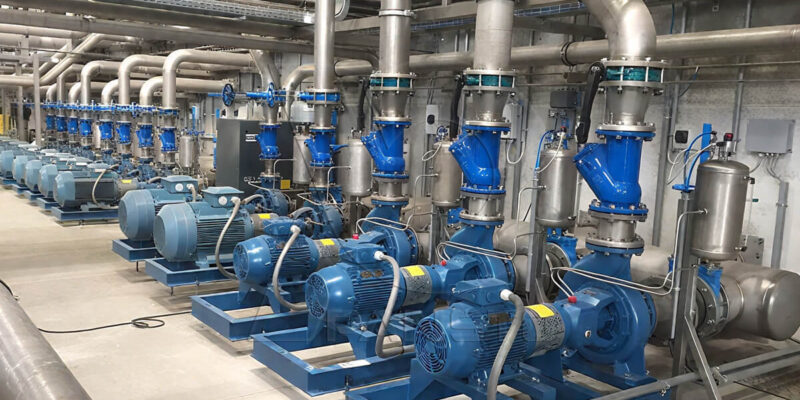
Transport pumps require proper alignment, access for maintenance, and sufficient clearance for piping connections. Chocolate transfer pumps, in particular, may need specialized setups to maintain product quality and temperature. Failing to account for installation space can lead to costly modifications and disruptions.
Ignoring the Importance of Controls and Automation
Modern manufacturing often relies on automated systems for consistent performance. Pumps without adequate control options can hinder process integration and reduce efficiency.
Transport pumps with adjustable speed controls, sensors, and monitoring capabilities allow precise regulation of flow rates and pressures. For chocolate transfer pumps, temperature and flow control are critical for maintaining product consistency. Incorporating automation features ensures reliable and repeatable performance.
Overlooking Manufacturer Support and Spare Parts Availability
A pump is only as good as the support available for it. Some manufacturers may not provide adequate technical guidance, replacement parts, or troubleshooting assistance.
Choosing transport pumps from suppliers with a strong support network ensures that maintenance, repairs, and replacements can be handled quickly. This reduces downtime and prevents production losses.
Not Accounting for Long-Term Scalability
Finally, many operations select pumps without considering future growth. Production requirements may increase over time, and a pump that barely meets current needs may struggle to handle higher demands.
Selecting transport pumps with scalable capacity or modular designs allows facilities to adapt to changing production volumes without major equipment overhauls. For chocolate transfer pumps, scalability ensures the ability to handle larger batches while maintaining product quality.
Selecting the right transport pumps is a critical decision that directly affects manufacturing efficiency, product quality, and operational costs. Common mistakes such as ignoring fluid properties, underestimating maintenance needs, or focusing solely on price can lead to frequent downtime and increased expenses.
By carefully considering fluid characteristics, flow and pressure requirements, material compatibility, energy efficiency, and future scalability, manufacturers can choose pumps that provide reliable, long-term performance. Specialized solutions such as chocolate transfer pumps highlight the importance of matching equipment to the unique demands of each process.
Avoiding these common pitfalls ensures that your pumping systems operate efficiently, support product quality, and contribute to the smooth running of your manufacturing operations.